Psychoactive substances are natural or synthetic substances that act on the central nervous system and alter mental processes such as mood, perception, cognition, consciousness, and behaviour. These substances may be legally prescribed medications (e.g., pain medications or sedatives), legally available substances such as alcohol or caffeine, or controlled or illicit drugs. Psychoactive substances can be used for medical, social, cultural, or recreational purposes, but some carry risks of misuse, dependence, and health or social harms when used in harmful ways.
Psychoactive Substances
In- and Out-Group Effects on Social Perception and Empathy in Cocaine Use Disorder
Earlier research revealed that cocaine users display impairments in emotional but not necessarily in cognitive empathy. However, no study to date has tested whether empathy is generally altered or whether impairments are restricted to...
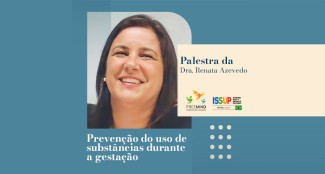
Prevention of substance use during pregnancy - Lecture by Dr. Renata Azevedo
Drug use in Brazil is a real public health problem. When used in a problematic way, it can provoke or increase family crises and violence. The use or dependence of psychoactive substances by pregnant women is quite worrying, since pregnancy...
UNODC discussed the protection of adolescents and young people from psychoactive and narcotic drugs at a round table “Youth for a healthy lifestyle”
On 10 August, 2022, UNODC jointly with the representatives of ministries and state departments of the Republic of Uzbekistan, members of the Youth Parliament at the Legislative Chamber and the Senate of the Oliy Majlis (Parliament), as well...
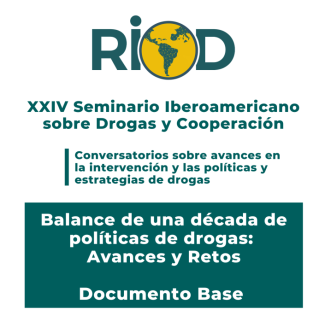
Review of a decade of drug policy: Progress and Challenges
Introduction According to the latest World Drug Report published by the United Nations Office on Drugs and Crime (UNODC) for the year 2022, around 284 million people between the ages of 15 and 64 used drugs.
Lecture 1: Central Asian open lecture series on Screening, Assessment, and Treatment of Substance use disorders
Open lectures to be provided by the joint initiative between ISSUP Ukraine, ISSUP Kazakhstan, and ITTC Ukraine.
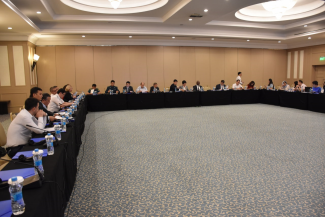
National Roundtable on a Completed Study on the Prevalence of New Psychoactive Substances
We invite specialists of the Ministry of Health of the Republic of Kazakhstan, the Ministry of Internal Affairs of the Republic of Kazakhstan, the Kazakh Scientific Center of Dermatology and Infectious Diseases, representatives of UNODC, UNAIDS, non-governmental organizations, heads and doctors of regional Mental Health Centers.
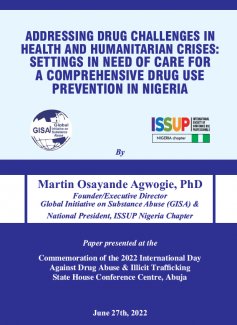
Addressing drug challenges in health and humanitarian crises: Settings in need of care for a comprehensive drug use prevention in Nigeria
Paper presented at the commemoration of the 2022 International Day Against Drug Abuse & Illicit Trafficking, State House Conference Centre, Abuja, Nigeria.
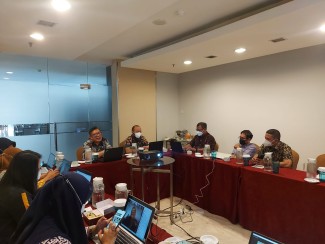
The UNODC/PTRS demand reduction mentor at the UNODC Programme Office in Indonesia provided technical assistance to the National Narcotics Board (BNN) in conducting a national hybrid training for Government Officials on the UNODC Treatnet Family programme
On July 19th, 2022, the Director of Strengthening Government Institution, Deputy of Rehabilitation, BNN officially launched a national hybrid training on the UNODC Treatnet Family programme with 34 representatives from all BNN provinces and...
Measurement of Striatal Dopamine Release Induced by Neuropsychological Stimulation in Positron Emission Tomography With Dual Injections of [11C]Raclopride
Objectives: Positron emission tomography (PET) with [11C]raclopride has been applied to measure changes in the concentration of endogenous dopamine induced by pharmacological challenge or neuropsychological stimulation by evaluating the...
The impact of discrimination on substance use disorders among sexual minorities
This paper aimed to review the literature regarding the impact of discrimination on substance use disorders among Sexual Minorities, with a focus on alcohol, opioids, stimulants, polydrug use, chemsex, cannabis and tobacco, as well as...