Psychoactive Substances

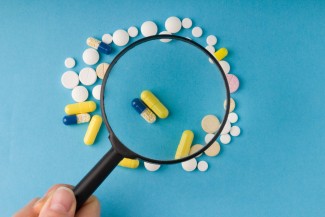
Psychoactive substances are natural or synthetic substances that act on the central nervous system and alter mental processes such as mood, perception, cognition, consciousness, and behaviour. These substances may be legally prescribed medications (e.g., pain medications or sedatives), legally available substances such as alcohol or caffeine, or controlled or illicit drugs. Psychoactive substances can be used for medical, social, cultural, or recreational purposes, but some carry risks of misuse, dependence, and health or social harms when used in harmful ways. 

Ecolink Institute opens UTC training in Hindi

News
Ecolink Institute starts UTC training in Hindi Mangalore: The Mangalore based Ecolink Institute of well-being, an approved training provider of the Colombo Plan has started a special training on “Understanding addiction and its treatment...
Participants of the Hindi training

World Drug Report 2022

Book
 - 
The 2022 World Drug Report provides a global overview of the supply and demand of opiates, cocaine, cannabis, amphetamine-type stimulants and new psychoactive substances (NPS), as well as their impact on health.
ISSUP UNODC World Drug Report

New Psychoactive Substances (NPS) Webinar Series

Video and audio recordings
Various NPS have significantly changed the picture of drug use in different countries. They are now very prominent in the drug market. Indeed, many of these substances are intended to circumvent drug laws and are sold as ‘legal’...

Project NEPTUNE training modules

Website
In partnership with the Royal College of Psychiatrists, Project NEPTUNE has developed training modules to improve clinical practice in the management of harms resulting from the use of club drugs and novel psychoactive substances. These...