Psychoactive substances are natural or synthetic substances that act on the central nervous system and alter mental processes such as mood, perception, cognition, consciousness, and behaviour. These substances may be legally prescribed medications (e.g., pain medications or sedatives), legally available substances such as alcohol or caffeine, or controlled or illicit drugs. Psychoactive substances can be used for medical, social, cultural, or recreational purposes, but some carry risks of misuse, dependence, and health or social harms when used in harmful ways.
Psychoactive Substances
Evaluating Clinical Stop‐Smoking Services Globally: Towards a Minimum Data Set
Abstract Background and aims Behavioural and pharmacological support for smoking cessation improves the chances of success and represents a highly cost‐effective way of preventing chronic disease and premature death. There is a large number...
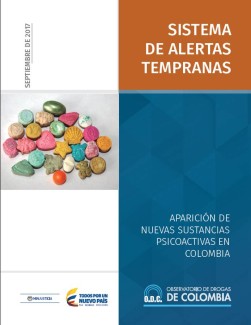
Appearance of new substances psychoactive (NSP) in Colombia
The Ministry of Justice and the law created the system of early alerts (SAT) of Colombia, in order to monitor and alert promptly the emergence of NPS and changes in patterns of drug use, as part of the functions of the Observatory of drugs...
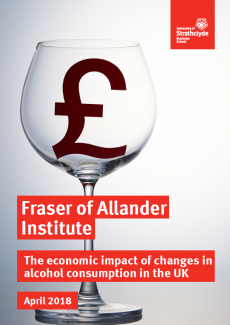
The Economic Impact of Changes in Alcohol Consumption in the UK
Executive Summary The alcohol industry (both manufacturing and sales) is important to the UK Economy as it supports thousands of jobs (IAS, 2017a; Oxford Economics, 2016). However, there are many well documented adverse effects of high...
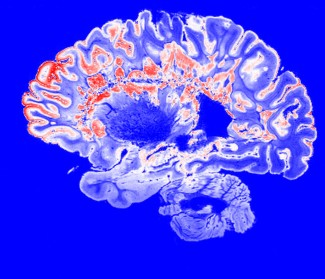
Rise in Glutamate Levels Can Be Used to Predict Drug High
A study funded by the National Institute on Drug Abuse (NIDA) explores the action of psychostimulant drugs on glutamate, one of the most abundant neurotransmitters in the human body. Drugs with a stimulant effect are commonly prescribed to...
Drug Misuse Prevention Quality Standards
This quality standard covers the prevention or delay of harmful use of drugs by children, young people and adults most likely to start using drugs, or already experimenting or using drugs occasionally. This includes illegal psychoactive...
Acquiring a role opposite a forgotten social reality
Gaining a leading role opposite a forgotten social reality Eduardo H. Loyola Arguello (ISSUP Member) El Salvador is a geographically small country, with a history characterized by pain, conflict and great need, but where the Salvadoran...
EU Drug Use Revealed through Wastewater Analysis
The European Monitoring Centre for Drugs and Drug Addiction (EMCDDA) has released the results of their largest wastewater analysis study. The EU project analysed the wastewater around 60 European cities and towns. This has allowed...
Health Effects of Exposure to Second- and Third-Hand Marijuana Smoke: A Systematic Review
Abstract Background: Recreational marijuana has been legalized in 11 jurisdictions; Canada will legalize marijuana by July 2018. With this changing landscape, there is a need to understand the public health risks associated with marijuana...
Transcranial Magnetic Stimulation of Medial Prefrontal and Cingulate Cortices Reduces Cocaine Self-Administration: A Pilot Study
Background: Previous studies have shown that repetitive transcranial magnetic stimulation (rTMS) to the dorsolateral prefrontal cortex may serve as a potential treatment for cocaine use disorder (CUD), which remains a public health problem...
Repeated Exposure to the “Spice” Cannabinoid JWH-018 Induces Tolerance and Enhances Responsiveness to 5-HT1A Receptor Stimulation in Male Rats
Naphthalen-1-yl-(1-pentylindol-3-yl)methanone (JWH-018) is a synthetic compound found in psychoactive “spice” products that activates cannabinoid receptors. Preclinical evidence suggests that exposure to synthetic cannabinoids increases 5...