
Psychoactive Substances

Psychoactive substances are natural or synthetic substances that act on the central nervous system and alter mental processes such as mood, perception, cognition, consciousness, and behaviour. These substances may be legally prescribed medications (e.g., pain medications or sedatives), legally available substances such as alcohol or caffeine, or controlled or illicit drugs. Psychoactive substances can be used for medical, social, cultural, or recreational purposes, but some carry risks of misuse, dependence, and health or social harms when used in harmful ways. 

Psychostimulant Use and the Brain

Scientific article
 - 
Over the past decade there has been an increase in the manufacture and use of psychostimulants in countries around the world. Around two-thirds of illicit psychostimulant users are male with average age of use for methamphetamine and...

Youth Substance Abuse and Co-Occurring Disorders

Book
70%–80% of adolescents with a substance use disorder also manifest comorbid psychopathology, known also as co-occurring disorders or dual diagnosis. Co-occurring disorders are the presence of one or more comorbid psychiatric disorders in...

Eating Disorders and Drug Use in Adolescents

Book
 - 
The aim of the study was to show whether there was a connection between drug use and eating disorders, as well as to identify the type of drugs most widely used and to ascertain whether they are used to suppress appetite. An “ad hoc” scale...

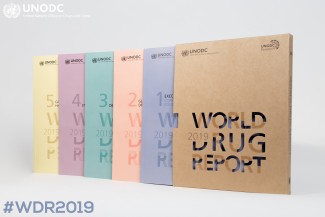
World Drug Report 2019

Book
 - 
The World Drug Report aims at improving the understanding of the world drug problem and contributing towards fostering greater international cooperation for countering its impact on health, governance and security. The World Drug Report...

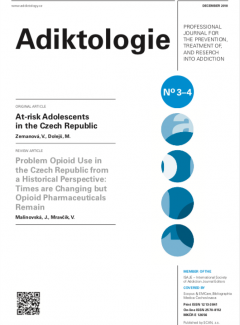
ADIKTOLOGIE Journal

Book
ADIKTOLOGIE is an international journal devoted to publishing peer-reviewed interdisciplinary and transdisciplinary scientific reports on psychoactive substance use, other behavioural addictions and related issues.