Psychoactive substances are natural or synthetic substances that act on the central nervous system and alter mental processes such as mood, perception, cognition, consciousness, and behaviour. These substances may be legally prescribed medications (e.g., pain medications or sedatives), legally available substances such as alcohol or caffeine, or controlled or illicit drugs. Psychoactive substances can be used for medical, social, cultural, or recreational purposes, but some carry risks of misuse, dependence, and health or social harms when used in harmful ways.
Psychoactive Substances
Association of Alcohol Screening Scores With Adverse Mental Health Conditions and Substance Use Among US Adults
Abstract Importance: Alcohol screening may be associated with health outcomes that cluster with alcohol use (ie, alcohol-clustering conditions), including depression, anxiety, and use of tobacco, marijuana, and illicit drugs. Objective: To...
Prevalence of Tobacco Use Among Rural-Dwelling Individuals Who Inject Drugs
Discussion Among this large sample of rural-dwelling individuals who were actively injecting opioids and/or stimulants, an extremely high proportion reported that they currently smoked cigarettes. The smoking rate of more than 90% is among...
Differences between Girls and Boys at Treatment Entry and in Response to Treatment
Psychoactive substance use among children in Afghanistan is an issue of concern. Somewhere around 300,000 children in the country have been exposed to opioids that either parents directly provided to them or by passive exposure. Evidence...
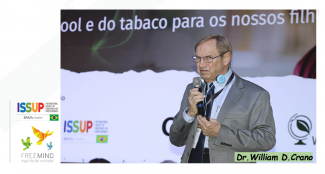
Lecture by Dr. William Crano at the 6th International Freemind Congress
At the 6th International Freemind Congress, held from December 4th to 7th, 2019, in Águas de Lindóia/SP – Brazil, we had the presence of Dr. William D. Crano, who occupies the Oskamp chair and is a professor of psychology in the Division of...
An Up-To-Date Review of Brain Stimulation Techniques for Addiction Treatment
This Recovery Research Institute review summarizes a recent meta-analysis of research on brain stimulation as a treatment for substance use disorders. The study finds that stimulation using specific methods on specific brain regions may...
Study indicates interventions to reduce alcohol consumption by Brazilian university students
University students are considered a risk population with regard to alcohol consumption, either by frequency of consumption or its consequences, which can even considerably affect the academic performance of the student. For this reason...
Training on the Universal Curriculum for Substance Use - Implementers Series (UPC1), Core Course for Afghanistan Cohort 2
Colombo, Sri Lanka 18-26 January 2020 By Rogers Kasirye The workshop started on 18th January organized by Colombo/ INL for the support in undertaking the training programme for Afghanistan entitled Training on the Universal Curriculum for...
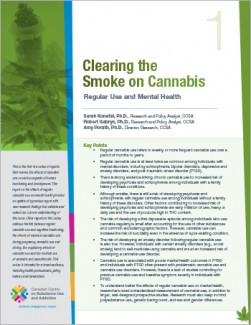
Clearing the Smoke on Cannabis: Regular Use and Mental Health
Cannabis is one of the most widely used psychoactive substances in Canada. The complex relationship between cannabis use and mental disorders has garnered significant attention as a public health issue This is the first in a series of...
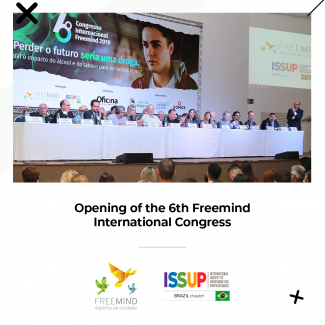
Opening Ceremony of the 6th Freemind International Congress
The 6th Freemind International Congress, organized by the Freemind Mobilization and ISSUP Brazil, was held in the city of Águas de Lindóia / SP, Brazil from December 4th to 7th, 2019. The event was held at Hotel Majestic, which has one of...
Psychotic Disorders Hospitalisations Associated with Cannabis Abuse or Dependence
Delta 9‐tetrahydrocannabinol - a psychoactive compound found in cannabis - activates parts of the brain responsible for cognition, perception, anxiety, fear, memory and reward. There are continuous debates about the link between cannabis...