Psychoactive substances are natural or synthetic substances that act on the central nervous system and alter mental processes such as mood, perception, cognition, consciousness, and behaviour. These substances may be legally prescribed medications (e.g., pain medications or sedatives), legally available substances such as alcohol or caffeine, or controlled or illicit drugs. Psychoactive substances can be used for medical, social, cultural, or recreational purposes, but some carry risks of misuse, dependence, and health or social harms when used in harmful ways.

Psychoactive Substances
Ecstasy and Related Drugs Reporting System (EDRS)
The Ecstasy and Related Drugs Reporting System (EDRS) is an illicit drug monitoring system which has been conducted in all states and territories of Australia since 2003 and forms part of Drug Trends. The EDRS consists of annual interviews...
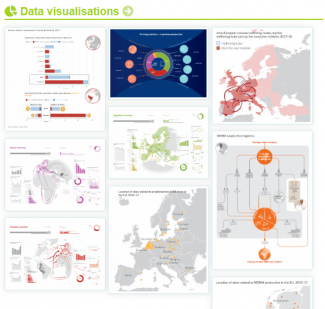
EU Drug Markets Report 2019
The EU Drug Markets Report 2019 is the third comprehensive overview of illicit drug markets in the European Union by the EMCDDA and Europol. The analysis presented in the report examines topics such as the links between drugs and other...
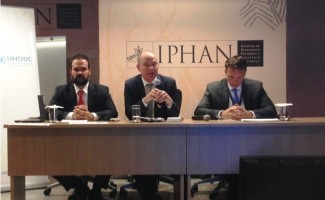
UNODC-WHO Training in Argentina on the Management of Substance Use & Substance Use Disorders during Pregnancy
A total of 35 participants took part in this training that was organized by WHO and UNODC together with PAHO, SEDRONAR, Hospital der Mar, and the generous support from the U.S. State Department Bureau of International Narcotics and Law...
Responding to Global Stimulant Use: Challenges and Opportunities
Stimulants drugs increase the activity of the central nervous system producing feelings of euphoria, increased confidence, sociability, energy, and wakefulness. In a recent paper, published as part of the Lancet series on drug use...
Viet Nam - UNODC Discussing Cooperation in Drug Prevention and Treatment
Currently, relevant ministries and agencies in Vietnam are studying, supplementing and amending the Law on Drug Prevention and Control to meet the current situation and practical requirements, including the section on drug prevention and...
UNODC Conducts Training on Psychoactive Substance Use for Policymakers
The United Nations Office on Drugs and Crime (UNODC) held a training for high-level participants to address the nature, prevention and treatment of drug use disorders from 22-24 October 2019, in Brasilia, Brazil. The meeting gathered about...
Drug Use Series from the Lancet Journals
Executive Summary The drug use landscape is dynamic and changing. Changes in public attitudes and laws towards drug use have occurred in an increasing number of countries. Global drug production and consumption are increasing as are the...
Pharmacotherapy for Methamphetamine/Amphetamine Use Disorder — A Systematic Review and Meta-Analysis
This meta-analysis of research on medication to treat methamphetamine use disorder finds that only one medication, methylphenidate, has any efficacy in reducing use.
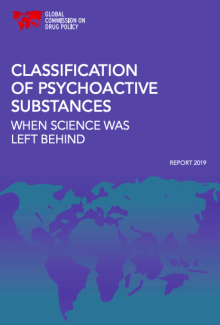
Classification of Drugs: When Science Was Left Behind
In Classification of Drugs: when science was left behind, the Global Commission on Drug Policy explains how the historical classification of psychoactive substances has contributed to the "world drug problem". It is the first-ever...
SPR 2020 Call for Papers Now Open!
This year's conference theme, Why Context Matters: Towards a Place-Based Prevention Science, challenges prevention scientists to explicitly recognize the central role that geographical concepts such as location, distance, distribution...