Psychoactive substances are natural or synthetic substances that act on the central nervous system and alter mental processes such as mood, perception, cognition, consciousness, and behaviour. These substances may be legally prescribed medications (e.g., pain medications or sedatives), legally available substances such as alcohol or caffeine, or controlled or illicit drugs. Psychoactive substances can be used for medical, social, cultural, or recreational purposes, but some carry risks of misuse, dependence, and health or social harms when used in harmful ways.

Psychoactive Substances
Community Response to the Initiation of Smoking in Indonesian Early Adolescents
Prevalence of smoking in Indonesia is on the increase. The trend is particularly noticeable among Indonesian adolescents with smoking in early adolescents increasing from 9.5 to 17.5% from 2001 to 2010. A recent study, published in the...
Cannabidiol (CBD) Content in Vaporized Cannabis does not Prevent Tetrahydrocannabinol (THC)-induced Impairment of Driving and Cognition
Abstract Background The main psychoactive component of cannabis, delta-9-tetrahydrocannabinol (THC), can impair driving performance. Cannabidiol (CBD), a non-intoxicating cannabis component, is thought to mitigate certain adverse effects of...
A Qualitative Study of Drivers of Psychoactive Substance Use among Mekelle University Students, Northern Ethiopia
Abstract Background Psychoactive substance (PS) use is a public health concern among University students. Understanding the factors underlay the use helps to underpin effective preventive interventions. However, there is dearth of...
Prevalence of Cognitive Impairment in Patients with Substance Use Disorder
Abstract Introduction and Aims Cognitive impairments in substance use disorder predict treatment outcome and are assumed to differ between substances. They often go undetected, thus the current study focuses on the prevalence of and...
Substance Use among Pregnant Women in Nigeria
Abstract OBJECTIVE: This study sought to determine the prevalence, patterns and feasibility of screening for psychoactive substance use among pregnant women in an antenatal clinic in Nigeria. It also aimed to determine the relationship...
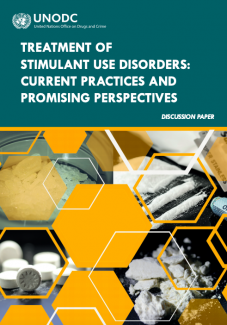
Treatment of Stimulant Use Disorders: Current Practices and Promising Perspectives
UNODC has put together a discussion paper that aims to raise awareness about the latest scientific evidence concerning the treatment of psychostimulant use disorders.
Psychoactive Substance Dependence in Females: A Three Year Review
Psychoactive substance use was regarded as a male affair in the past. However, recent findings show an increasing number of females are getting involved. We conducted a three year retrospective review of patients admitted to the Centre for...
A Cross-Journal Call for Papers- Substance Use, Misuse and Dependence: Prevention and Treatment
Substance use and misuse affect people worldwide, of all ages and from all walks of life, resulting in a substantial burden of ill health and mortality, and presenting big challenges in prevention and treatment. PLOS Medicine is planning a...
Utilization of Addiction Treatment among U.S. Adults with History of Incarceration and Substance Use Disorders
Abstract Background The high prevalence of substance use disorders (SUDs) among incarcerated adults in the U.S. is well-known, but there has been less examination of SUD treatment and rates of incarceration among the population of adults...
Prevalence and Pattern of Psychoactive Substance Use among Female Students in North India
The frequent collection, analysis and publication of data on psychoactive substance use among young people is essential to follow trends which can be used to inform practice and public health policy. In India, psychoactive substance use is...