Psychoactive substances are natural or synthetic substances that act on the central nervous system and alter mental processes such as mood, perception, cognition, consciousness, and behaviour. These substances may be legally prescribed medications (e.g., pain medications or sedatives), legally available substances such as alcohol or caffeine, or controlled or illicit drugs. Psychoactive substances can be used for medical, social, cultural, or recreational purposes, but some carry risks of misuse, dependence, and health or social harms when used in harmful ways.
Psychoactive Substances
ESPAD Report 2015
The European Schools Survey Project on Alcohol and Other Drugs (ESPAD) collects comparable data on substance use among 15- to 16-year-old students. It monitors drug usage trends within, as well as, between European countries. The latest...
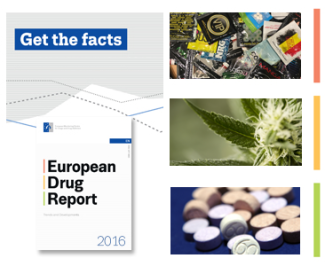
Key Points from EMCDDA’s 2016 European Drug Report
As we welcome in the New Year it seems an ideal time to take stock and present the key points from the 2016 European Drug Report (EDR), the European Monitoring Centre for Drug and Addiction’s (EMCDDA) annual review of the European drug...
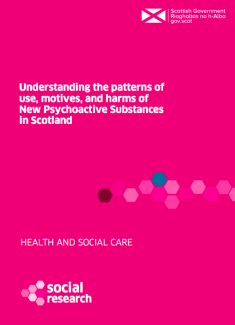
Scotland and New Psychoactive Substances
A collaborative research project geared towards understanding the patterns of use, motives and harms of New Psychoactive Substances (NPS) - commonly referred to as ‘Legal Highs’ - in Scotland has recently published its findings. Amongst the...
Alcohol + Energy Drinks May Make You Drink More
Research has shown that people tend to drink more when they consume alcohol combined with energy drinks. Mixing energy drinks and alcohol is known to reduce the feeling of drunkenness as the stimulants in energy drinks dampen the sedative...
Marijuana and Maternity: What Are the Effects?
Four US states currently allow recreational marijuana use and twenty-four allow medical marijuana. However, little research has been carried out to uncover the drug’s effect on the development of human embryos if smoked or consumed in...
What Are Kids Taking?
The results are in. The 2014 – 15 Canadian Student Tobacco, Alcohol, and Drugs Survey shows that, on the one hand, smoking rates are generally down, while on the other, experimentation with synthetic and prescription drugs is increasing...
Overdose Aware App
The Overdose Aware App offers practical advice on the signs of overdose and what to do if those signs are present. It aims to raise awareness among those who are experiencing drug use and their families. The App provides only information...
U.S. National Report Shows Less Underage Drinking and Smoking, but Overall Substance Use and Mental Illness Levels Remain Constant
Some forms of substance use, such as adolescent (aged 12 to 17) underage drinking and alcohol use among young adults (aged 18 to 25), continued to drop according to the Substance Abuse and Mental Health Services Administration’s (SAMHSA)...
Preventing Prescription Drug Abuse Among Teenagers
Prescription drug abuse has become a major public health concern. Although the abuse of many substances among youth has declined in recent years, misuse of prescription drugs has increased. The reasons students give for misusing...
UNODC World Drug Report 2016
Around five per cent of the adult population, or nearly 250 million people between the ages of 15 and 64, used at least one drug in 2014, according to the latest World Drug Report released today by the United Nations Office on Drugs and...